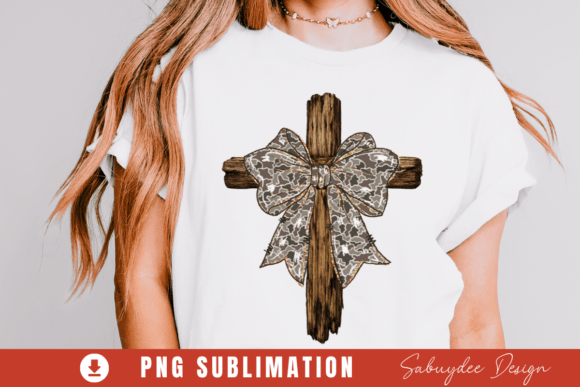
Camo Rustic Cross Bow Christian Design
First Impressions: A Quiet Confidence, Not a Loud Statement
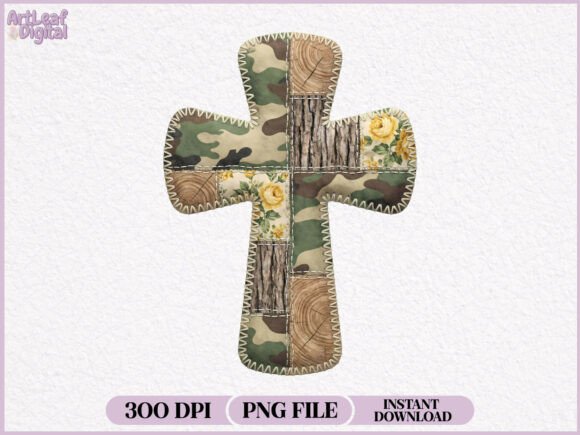
When I opened the Camo Rustic Cross Bow Christian Design file, what struck me wasn’t flash—it was intention. This isn’t a design shouting for attention; it’s one that settles in, like worn leather or faded denim. The cross bow anchors the composition with clean, grounded lines, while the camo texture adds subtle depth—not aggressive print, but a soft, organic grain. The cross element is integrated, not tacked on: modest in scale, centered with quiet reverence. There’s no glitter, no excessive scrollwork, no over-rendered shadows. Just shape, symbol, and surface. That makes it unusually versatile—and unusually honest.
Where It Lives Best: Real Projects, Real People
Last week, I stitched the Camo Rustic Cross Bow Christian Design onto a heavyweight cotton canvas tote for a local church’s men’s ministry giveaway. No embroidery machine drama—just smooth satin stitch on the bow limbs, tight fill stitch in the camo field, and crisp running stitch outlining the cross. It held up beautifully at 8” wide. That’s the sweet spot: mid-size apparel and home goods where clarity matters more than cuteness. Think sweatshirt chest logos, apron pockets, pillow covers for rustic nurseries, or tea towels for faith-based kitchen brands. It also works surprisingly well as an embroidered patch—clean edges hold up after heat-sealing, and the camo ground gives it instant texture without needing fabric backing.
What It Does Well (Without Trying)
- Readability at distance: Even on a dark charcoal sweatshirt from six feet away, the cross bow silhouette reads clearly—no squinting, no lost detail.
- Handmade authenticity: The rustic treatment avoids looking digital or mass-produced. Customers notice that. I’ve had Etsy buyers comment specifically on how “real” it feels—not clipart, not stock, but something made *for* people who value craft and conviction.
- Brand flexibility: It fits equally well on a boutique men’s apparel line, a homeschool co-op T-shirt Designs collection, or a small shop’s holiday gift bundle. It doesn’t lock you into one aesthetic—it supports yours.
- Emotional resonance: Not preachy. Not generic. It carries weight because it’s restrained. That builds trust—especially for personalized gifts like baby onesies (with simplified sizing) or wedding weekend gear for outdoorsy couples.
Where to Pause—and Test First
This design earns its keep on stable, medium-weight fabrics—but it’s not bulletproof everywhere. Here’s where I slow down:
- Thin or stretchy knits: The camo fill area can ripple if tension isn’t dialed in. Always use cutaway stabilizer underneath, not tear-away. And test on scrap jersey before committing to a $35 crewneck.
- Small hoop applications: Below 4”, the cross details start compressing. I wouldn’t push it smaller than 3.75” wide—even then, I’d simplify the inner cross lines manually or skip the fine interior stitching altogether.
- Curved surfaces (like caps): The horizontal cross bow shape resists natural crown curvature. On structured front panels? Solid. On curved mid-panel placements? Flatten the design slightly in your software—or better yet, rotate it 90° for a vertical orientation that flows with the cap’s shape.
- Frequent-wash items: Baby bodysuits or kitchen towels demand durability. Confirm your thread colors are colorfast, and avoid ultra-thin satin stitches in high-friction zones (like underarm seams). A touch more density in the bow outline helps longevity.
Design Choices That Matter Behind the Scenes
A good embroidery file isn’t just pretty—it’s engineered for behavior. The Camo Rustic Cross Bow Christian Design handles transitions well: satin stitches don’t crowd into corners, fill areas breathe without pooling, and the lettering (if included in alternate versions) uses open, legible fonts—not delicate script that vanishes after two washes. That tells me the digitizer understood real-world wear, not just screen rendering.
For craft business owners: this design scales cleanly across product types. Use it on a printable mockup for your Etsy listing, then stitch the same file onto a linen pillow cover and a cotton duck apron—no redesign needed. That consistency saves hours. For digital product sellers: position it as a *mood-driven asset*, not just another Christian motif. Its rustic grounding makes it stand apart in saturated marketplaces.
Before You Stitch—Five Non-Negotiable Checks
- Run a test on scrap fabric matching your final garment’s weight and weave.
- Compare thread color contrast on both light and dark backgrounds—you’ll likely need separate thread palettes for white tees vs. olive hoodies.
- Review stitch density: dense camo fills look rich on canvas, but can stiffen lightweight baby quilts. Adjust if needed.
- Confirm hoop size compatibility—some versions may be optimized for 5x7”, others for 4x4”. Don’t assume.
- Verify licensing terms before selling finished items or bundling the embroidery file itself. Commercial use rights aren’t automatic—even for T-Shirt Designs categories.
Final Thought: It’s Not About the Symbol—It’s About the Space It Holds
The Camo Rustic Cross Bow Christian Design succeeds because it leaves room—for meaning, for context, for the person wearing it. It doesn’t explain itself. It doesn’t need to. That’s rare. In a landscape full of loud, pixel-perfect designs, this one breathes. It belongs on the sleeve of a volunteer’s jacket, the corner of a nursery quilt, the front pocket of a teacher’s tote. It’s not flashy. It’s faithful—to craft, to clarity, and to the quiet confidence of work that’s made to last.