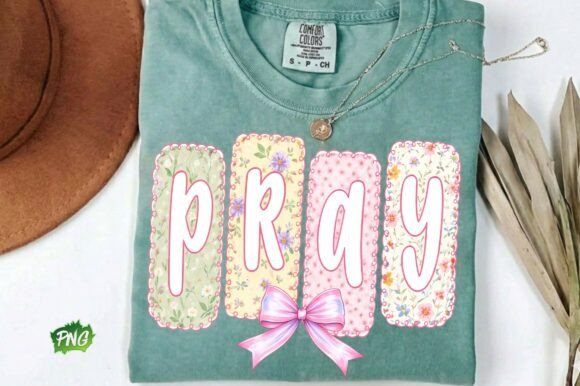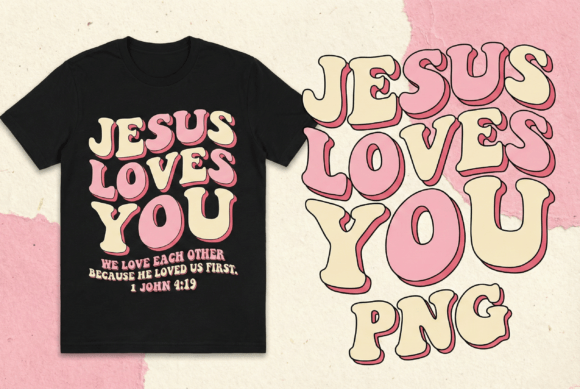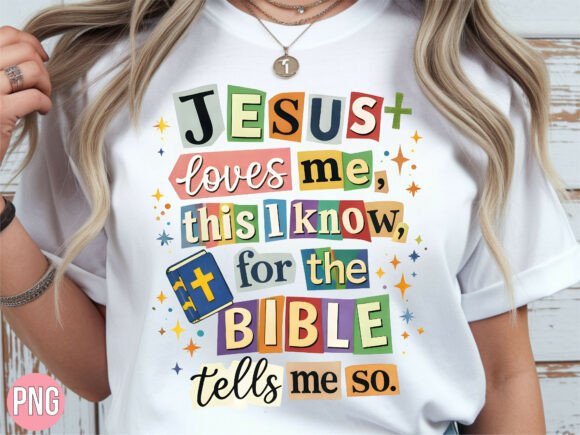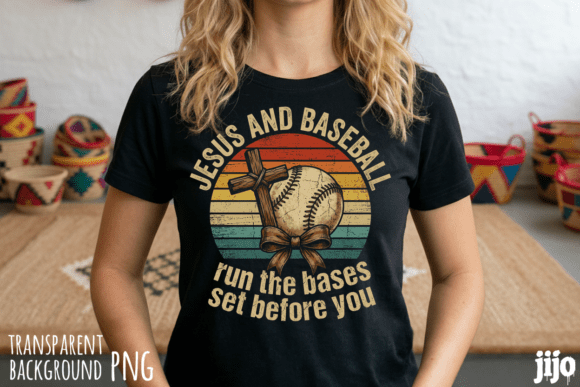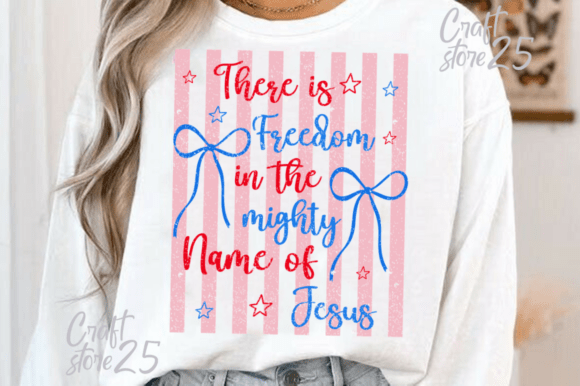
Retro Freedom in the Name of Jesus SVG T-Shirt Designs
First Impression: Bold, Warm, and Unmistakably Nostalgic
Opening Retro Freedom in the Name of Jesus SVG feels like flipping through a well-loved 1970s church newsletter—sun-faded ink, hand-drawn lettering, and that unmistakable warmth of earnest, unpolished faith. The graphic design asset leans into vintage Americana with thick outline strokes, slightly uneven curves, and intentional imperfections: a subtle wobble in the “J”, grainy texture overlays, and warm earth-tone palette suggestions (though vector files remain color-flexible). It’s not minimalist. It’s not sleek. It’s emotionally grounded—and that’s exactly why it works for the right client.
A Real Project Fit: Handmade Ministry Brand Launch
I recently scoped this SVG for a client launching a small-batch handmade business—think screen-printed tees, ceramic mugs, and embroidered totes sold at local revival festivals and online via Etsy. Their audience? Faith-driven millennials and Gen Xers who value authenticity over polish, nostalgia over trend-chasing. Retro Freedom in the Name of Jesus SVG became the anchor visual for their entire launch campaign—not as a logo, but as a hero graphic across product mockups, Instagram carousels, and printable event flyers. It instantly communicated tone: reverent yet approachable, bold without being aggressive, joyful without being kitschy.
Where This SVG Shines in Commercial Design
- T-shirt design: Stands out beautifully on heather grey or oatmeal cotton; scales cleanly from S to XXL without losing legibility or charm.
- Product mockups: Adds instant character to mug, tote bag, and sticker designs—especially when paired with distressed textures or kraft paper backgrounds.
- Social media graphics: Works powerfully in Pinterest pins and Instagram posts where retro aesthetic signals intentionality and emotional resonance.
- Cricut project: Cuts flawlessly on vinyl and iron-on; clean paths mean no jagged edges or nested layers to troubleshoot.
- Printable design: Translates well to wall art prints, Bible journaling pages, and seasonal devotionals—its illustrative quality invites personal connection.
- Brand identity support: Functions best as a secondary brand element—think campaign banner, limited-edition label, or packaging accent—not primary logo, due to its dense composition.
Where Caution Is Needed
This isn’t a one-size-fits-all graphic design asset. Avoid using Retro Freedom in the Name of Jesus SVG in contexts demanding razor-sharp clarity or restraint: corporate reports, medical ministry branding, or minimalist packaging systems. Its textured, layered energy competes in crowded layouts and loses impact below 2.5 inches wide. On low-contrast backgrounds (e.g., light tan on cream), readability suffers unless stroke weight is manually adjusted. And while it pairs beautifully with serif fonts like Playfair Display or handwritten styles like Pacifico, it visually clashes with ultra-thin sans serifs or rigid geometric typefaces.
Design Performance Across Mediums
In packaging design, it adds soul to kraft boxes and reusable cotton bags—especially when foil-stamped or debossed. As a sublimation design, it holds up on polyester blends without pixelation. For web design and blog visuals, export as SVG with inline CSS for crisp scaling—or PNG with transparent background for CMS compatibility. In editorial design, it serves well as a section divider or thematic header in faith-based newsletters. As a sticker design, its bold outlines ensure cut-line accuracy and edge definition—even on die-cut vinyl.
Practical Designer Notes Before Client Use
- Test in black and white first—verify contrast and silhouette integrity without color crutches.
- Preview on both light and dark backgrounds; adjust stroke weight if needed for accessibility compliance.
- Scale down to 16px and up to 1200px—check for unintended gaps or overlapping elements at extremes.
- Drop it onto real t-shirt and mug mockups (not just flat previews) to assess visual weight and balance.
- Confirm print quality by outputting a physical proof—some retro textures don’t translate smoothly on budget DTG printers.
- Inspect file formats: SVG should be editable (no raster embeds), PNG must have true alpha transparency, and layers—if included—should be named logically.
- Compare against common font pairings: it harmonizes with script fonts (for headlines), serif fonts (for body context), and display fonts (for campaign banners)—but avoid pairing with more than two type families in one layout.
- Verify commercial license covers your use case—especially for print-on-demand platforms, Etsy product listings, and digital resale in Canva templates.
Why It Builds Trust—and Why That Matters
For faith-based small business branding, visual trust isn’t about perfection—it’s about resonance. Retro Freedom in the Name of Jesus SVG signals sincerity, history, and human touch. That builds recognition faster than sterile vector icons among audiences fatigued by algorithm-optimized sameness. It doesn’t shout “professional”—it whispers “I made this for you.” That emotional appeal directly supports audience engagement, repeat purchase behavior, and organic social sharing. When used intentionally—as part of a cohesive creative design system, not as a standalone gimmick—it elevates the entire perception of the brand.
Final Verdict for Designers and Sellers
This is a strong, mood-driven digital product for designers serving heartfelt, community-centered clients. It fits seamlessly into design bundles focused on faith, heritage, and handmade business. As a clipart or illustration, it’s more expressive than generic religious icons—and more versatile than overly literal scripture quotes. Whether you’re building a seasonal campaign, prepping a Cricut project for a church bazaar, or sourcing premium SVG design for your creative marketplace store, Retro Freedom in the Name of Jesus SVG delivers authentic visual language with commercial readiness—if you honor its stylistic boundaries and test it rigorously before client delivery.