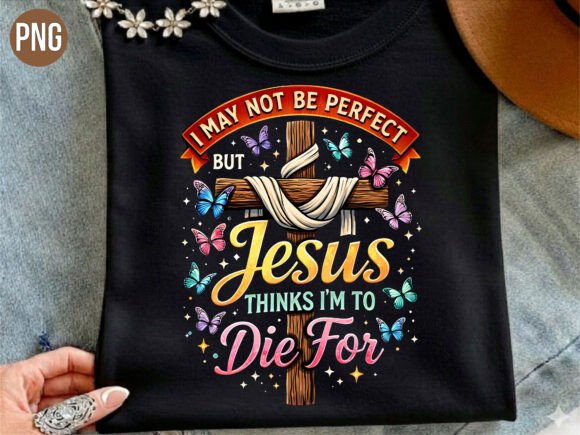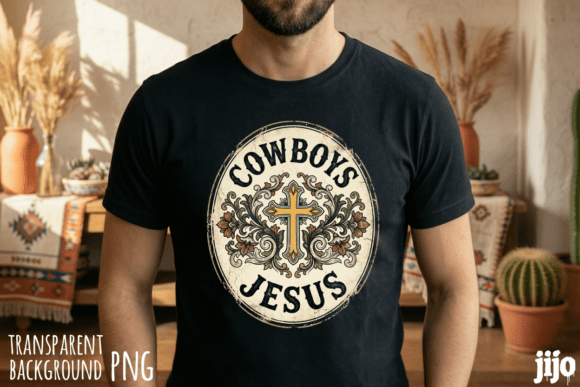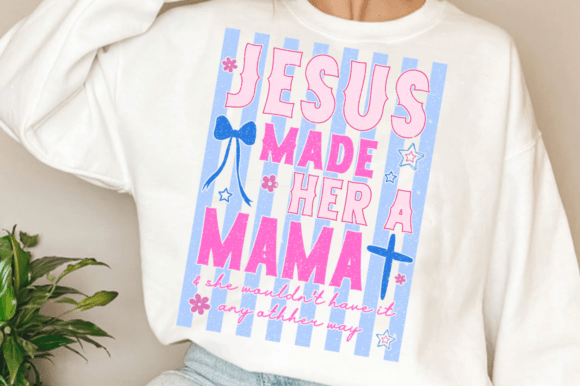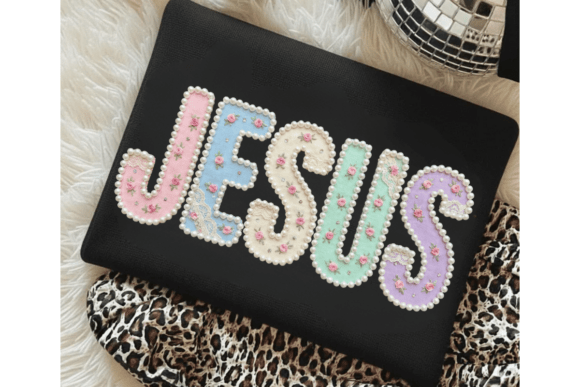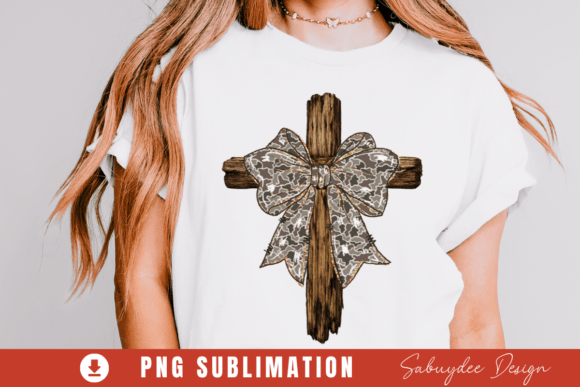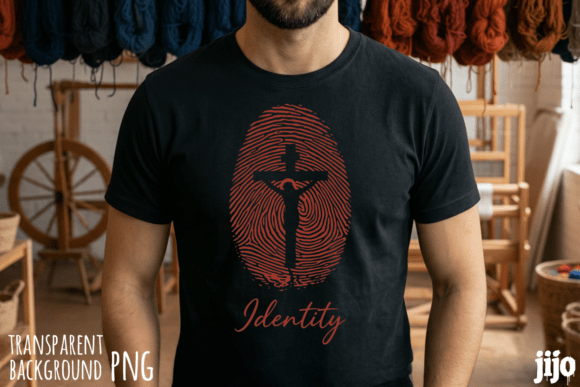
Christian Identity Cross Jesus PNG
A Designer’s First Glance: Clean, Reverent, and Ready for Stitching
When I opened Christian Identity Cross Jesus PNG for the first time, my eye went straight to the balance—how the cross anchors the composition while the subtle “Jesus” script flows beneath it like a quiet affirmation. It’s not ornate or baroque, but it’s also not minimal to the point of abstraction. There’s weight in the line work, clarity in the letterforms, and a sense of intentionality that tells me this wasn’t rushed. As a designer who’s stitched hundreds of faith-based motifs—from nursery wall hangings to boutique aprons—I immediately pictured it on a natural linen tea towel: soft fabric, earthy thread, no flash, just sincerity.
Where This Design Lives Best (and Where It Might Struggle)
I tested Christian Identity Cross Jesus PNG as the centerpiece for a custom embroidered tote bag—cotton canvas, medium-weight, with a 4” × 4” hoop. The result? Crisp satin stitch along the cross arms, smooth fill stitch in the body, and legible lettering at that scale. It worked beautifully. That said, I’d hesitate to use it on baby onesies without simplifying the text stroke width—fine details can blur when scaled down under tight tension or on ultra-soft knit fabrics. Likewise, on stretchy performance tees or curved cap fronts, the design’s clean geometry holds up better than florals or script-heavy layouts—but only with proper cutaway stabilizer and reduced stitch density in the “Jesus” portion.
For T-Shirt Designs, this file shines brightest on midweight cotton or cotton-blend crewnecks and pocket tees—especially when paired with tonal thread (charcoal on heather grey, navy on indigo). It reads clearly from across a room but doesn’t shout. That duality makes it ideal for small shop merchandise: think curated gift boxes for pastors, baptismal keepsakes, or quiet holiday embroidery on flannel pillow covers.
Real-World Fit: More Than Just a Graphic
Last week, I used Christian Identity Cross Jesus PNG to embroider a set of kitchen towels for a local café’s Easter pop-up. The owner wanted something meaningful but unobtrusive—no slogans, no glitter, just dignity. We chose oat-colored linen-cotton blend towels and matte black thread. The finished pieces looked handmade, not mass-produced. Customers noticed. Several asked where they could buy one—not because it was flashy, but because it felt *considered*. That’s the quiet power of this design: it supports the product instead of competing with it.
It also translates well into digital embroidery files for Etsy sellers. I previewed it in printable mockups on light and dark fabric swatches—and yes, it holds contrast cleanly in both. But here’s what matters more: it doesn’t rely on tiny serifs or hairline gaps to read. That means fewer customer complaints about “fuzzy lettering” after stitching, less back-and-forth troubleshooting, and higher repeat buyer trust for your craft business.
What You’ll Want to Check Before Stitching
- Test on scrap fabric first—especially if using textured weaves (like burlap or heavy twill) where dense fill areas may pucker.
- Review stitch density: High-density fills can overwhelm lightweight fabrics; consider reducing density by 10–15% for baby embroidery or delicate linens.
- Confirm hoop size compatibility: While it fits comfortably in a 4” hoop, verify whether your machine’s default settings match the design’s intended scale—some PNG conversions skew slightly when resized without vector precision.
- Inspect small details: Zoom in on the cross junction and letter terminals. If edges look pixelated at 200%, you’ll likely see stair-stepping in satin stitch—best corrected with smoothing or manual cleanup before digitizing.
- Try black-and-white mockups: Faith-based designs live or die by readability in monochrome. Christian Identity Cross Jesus PNG passes this test cleanly—but always double-check against your brand’s actual thread palette.
Design Integrity Meets Commercial Practicality
This isn’t a trend-chasing motif. It won’t dominate Instagram feeds with neon gradients or animated effects—but it will hold up on a hand-stitched communion apron five years from now. For Etsy sellers listing embroidered patches or personalized gifts, that longevity matters. Buyers choosing faith-centered items often prioritize authenticity over novelty. When they see consistent line weight, balanced negative space, and restrained detail in Christian Identity Cross Jesus PNG, it signals craftsmanship—not clip art.
I’ve seen too many well-intentioned T-Shirt Designs fail in production because the original PNG lacked sufficient contrast between elements or included anti-aliased edges that digitized poorly. This one avoids those traps. Its edges are sharp but forgiving, its proportions stable across scales, and its visual hierarchy clear: cross first, name second, meaning third.
Final Thoughts for Makers Who Value Real Results
If you’re building a collection of embroidery project assets for church events, small-batch gifting, or a growing craft business, Christian Identity Cross Jesus PNG earns its place—not as filler, but as a reliable anchor piece. It works quietly on sweatshirt embroidery, adds gravitas to holiday embroidery, and feels right on nursery decor where sentiment outweighs sparkle. Just remember: even strong designs need thoughtful execution. Use the right stabilizer for your fabric texture, choose thread colors that support legibility—not just contrast—and always confirm licensing terms before selling finished products or bundling the file in digital embroidery kits.
For handmade product creators who stitch with purpose—not just speed—this is the kind of design that makes customers pause, smile, and say, “I know exactly who needs this.” And in our line of work, that’s the highest compliment of all.